At
first, it just looks like something hip and decorative, as if pulled from the
pages of a home and decorating magazine. As it turns out, though, terracing
one's backyard also can make it much bigger in one respect by greatly
increasing the amount of useable space.
Terraced
retaining walls create added dimension to any landscape as well as increasing
useable space and functionality of an otherwise unruly hillside.
The
Incans knew this when they built Machu Pichu in the 15th century. The
"Lost City of the Incas" in the Peruvian mountains is an early
example of terracing and a complicated drainage system being used to maximize
basically every inch of available farming land. There's no way an ancient
society could have survived as long as it did in that rugged locale without
sophisticated use of terracing. Remnants of Machu Pichu's terracing system can
be found on-site to this day, among the things that stick out and remain a
wonder to its visitors.
In
the modern world, the need for terracing is less dire, though it can still
serve an important purpose. Anyone who's ever bought a house on a hillside
knows of the frustrations that can accompany this. There isn't much that can be
done with a hill on one's property. It's not safe to let children climb on,
impractical for hosting guests and not much will grow on it either. At best,
maybe it works as a natural fence.
Beyond
this, an untreated hill presents a risk for erosion anytime it rains. Untreated
soil can easily shift downhill if agitated by water or catastrophic weather
patterns. This in turn can imperil property and those who reside in it. At the
very least, it can create an unsettled, messy backyard with loose bits of mud
strewn about.
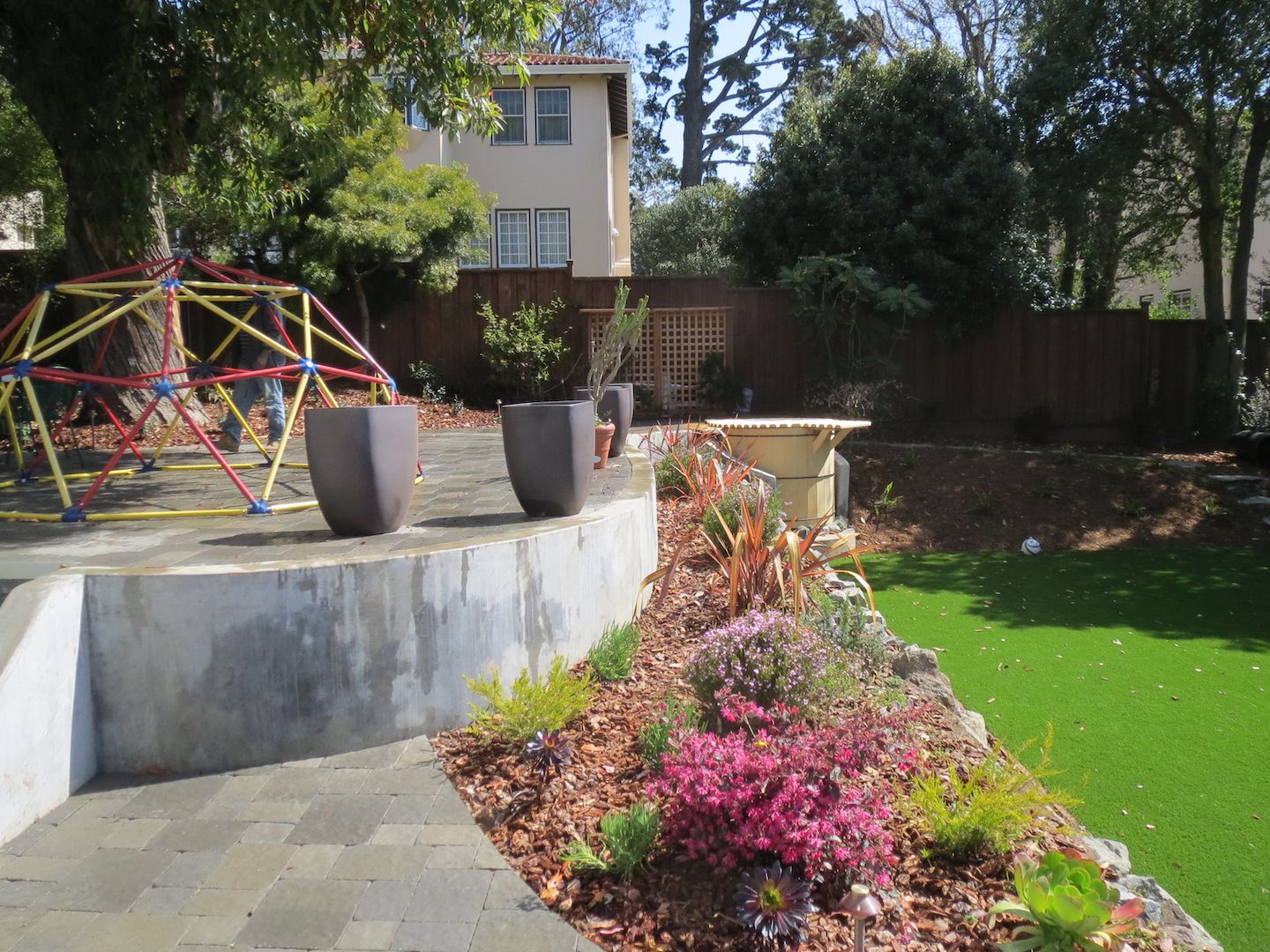
The
solution is to have an established mason or landscape company design, construct
and install custom retaining walls and terraces (http://tamatelandscaping.com/retaining-walls-terracing)
to transform one's hill of despair into a modern Machu Pichu (Modu Pichu,
perchance?)
The
walls can be made of a variety of materials including stone, concrete or
bricks. Depending on one's budget, the cost isn't exorbitant, either, and the
work can be executed in a short timeframe.
The
finished terraces allow a number of uses. They can be used as walkways with
grass, wood chips, or decomposed granite. And anyone inspired by the Incans can
use their backyard terraces for gardens. After all, what worked in the 15th
century can still work today.
Please
disregard all content below the above line. It is used as filler to reach the
new minimum content requirements. 500 words is an article not a blog post!
Thanks and enjoy the article! Please disregard all content below the above
line. It is used as filler to reach the new minimum content requirements. 500
words is an article not a blog post! Thanks and enjoy the article! Please
disregard all content below the above line. It is used as filler to reach the
new minimum content requirements. 500 words is an article not a blog post! Thanks
and enjoy the article!
About the
author:
Thomas Gilbert has worked as a landscaper within the Bay Area in California
for over 30 years, and has transformed thousands of backyards into oases for
his clients. He is now retired and works on only one project, his own.
This is something which will interest my husband as he is really into maintaining our small backyard.
ReplyDeleteInteresting. So now I know there is so much more to terracing than to beautify the home.
ReplyDeletegreat info, indeed, for every structure, there is usually a specific purpose than just aesthetic, function and beauty twogether, is an awesome combination
ReplyDeleteThis is a classic - form meets function kind of thing.
ReplyDelete