A lot of people now choose to opt for Bariatric surgery in
order to help them address their obesity problem. However, Bariatric surgery is
actually a blanket term for three types of procedures: malabsorpotive,
predominantly malabsorptive, and restriction procedures. With a restrictive
procedure, the size of the stomach is reduced, but the rest of the digestive
process is left alone. With predominantly malabsorptive procedures, the size of
the stomach is reduced, but the duodenum and,
at times, the jejunum is also bypassed.
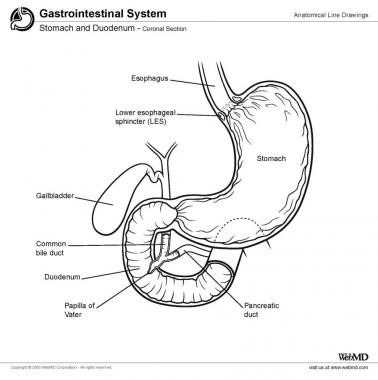 |
| photo not mine |
Restrictive
Bariatric Surgery
There are different types of restrictive Bariatric surgery,
but the two most popular are the AGB (adjustable gastric band) and the VBG
(vertical banded gastroplasty). Neither of the two surgeries affects the
digestive system in any way, focusing instead solely on reducing the amount of
food someone can consume. If a patient eats more than what their stomach can
hold, they will vomit and generally feel sick.
The VBG procedure is also known as ‘stomach stapling’, which
is becoming less common today. The AGB, meanwhile, is also known as the ‘lap
band’ as in one of the most popular procedures. In fact, it has existed since
1979 and has proven to be quite successful, although weight loss is usually
slightly less quick. The upside is that there are fewer complications and that
the AGB can be adjusted and even reversed. As such, if the procedure does not work,
no lasting damage will have been done.
Predominantly
Malabsorptive Bariatric Surgery
Here, the size of the stomach is reduced, but the main focus
is to ensure patients can no longer absorb food as well. This is known as the Biliopancreatic
diversion, or the Scopinary procedure. It is very rare for this procedure to
still be offered. This is because many patients become malnourished. Instead,
the duodenal switch is now provided, whereby a part of the stomach is sectioned
off, thereby creating a smaller pouch. The procedure also alters the digestive
system. While patients can’t eat as much for a while, they can return to normal
portions after a while.
Malabsorptive
Bariatric Surgery
Lastly, there is malabsorptive surgery, whereby the stomach
is made smaller and the duodenum as well as, sometimes, the jejunum, is
bypassed. This surgery effectively combines the other two. One of the most
common procedures is the Roux-en-Y, or the gastric bypass. However, there are
also the duodenal switch, the Biliopancreatic diversion, and the Fobi pouch.
These procedures are incredibly successful in terms of making people lose
weight quickly, but there is a significant risk of malnutrition.
There are other types of surgery as well, but the three
above are the most commonly offered. It is very important that you seek medical
advice, for instance from a clinic like Stop Obesity for Life, in order to find out which procedure is most suitable to
you. It is also very important that you follow all the recommendations of your
physician so that you run a lower risk of developing complications.
No comments:
Post a Comment
Your Comments / Message here is Appreciate, I'll drop by to you as soon after I read it from here... Have a Nice day...
Novah!